
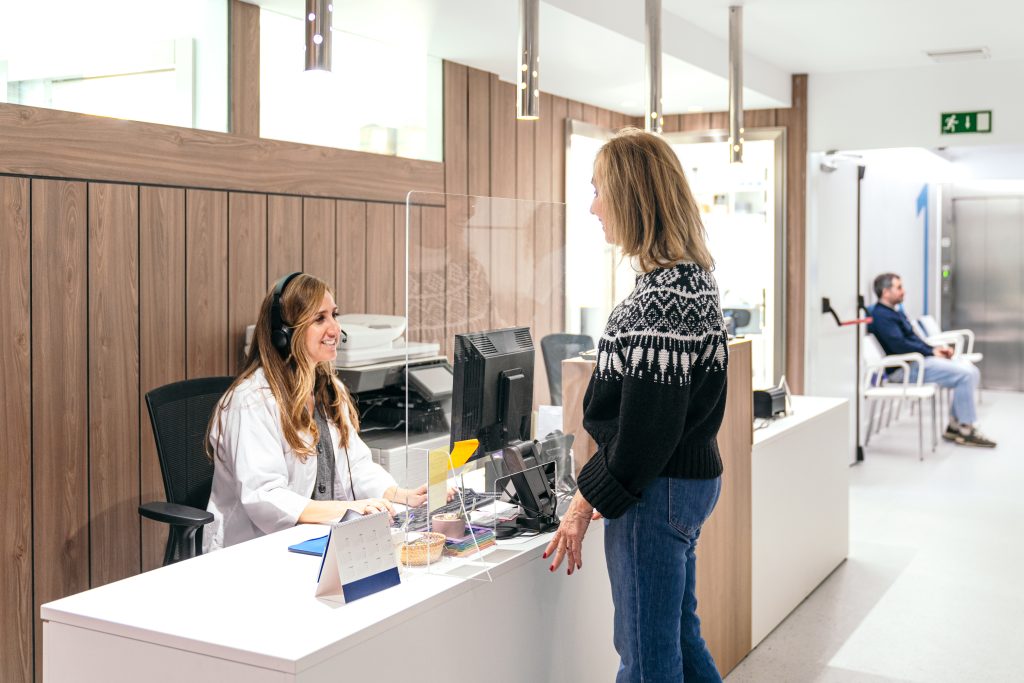
For decades, healthcare operated under a simple assumption: if you provide excellent clinical care, patients will return. While clinical quality remains non-negotiable, it is no longer sufficient to guarantee a patient’s return. We have entered the era of healthcare consumerism, where patients, empowered by choice, transparency, and rising out-of-pocket costs, are evaluating providers through the same lens they use for any other high-stakes service.
In this new reality, Patient Experience (PX) has emerged as the primary differentiator. It is the bridge between a one-time clinical encounter and long-term Brand Loyalty. For healthcare administrators, understanding this connection is not just about improving HCAHPS scores; it is a strategic imperative for financial sustainability and market share growth.
The Difference Between Satisfaction and Loyalty
To leverage PX effectively, we must first distinguish between patient satisfaction and brand loyalty. They are related but distinct concepts.
-
Patient Satisfaction is a retrospective measurement. It asks, “Did we meet your expectations today?” A patient can be satisfied because their appointment was on time and the doctor was nice, yet still easily be swayed to a competitor by a closer location or an earlier appointment slot next time.
-
Brand Loyalty is forward-looking and emotional. It is a deeply held commitment to re-patronize a preferred provider consistently in the future, despite situational influences or marketing efforts from competitors. Loyal patients don’t just come back; they advocate for you.
Satisfaction is transactional; loyalty is relational. Patient experience is the mechanism that turns the former into the latter.
The Business Case: Why Patient Loyalty Matters
Fostering brand loyalty through superior PX is not just a “feel-good” initiative; it has hard economic consequences for a healthcare organization.
1. Maximizing Patient Lifetime Value (LTV)
In a competitive market, the cost of acquiring a new patient, through marketing, outreach, and onboarding, is significantly higher than retaining an existing one. Loyal patients represent a stable revenue stream over years or even decades. They are more likely to utilize your system for diverse needs, from primary care to specialty services and imaging, keeping referrals within your network.
2. The Power of Organic Growth
Loyal patients are your most effective (and least expensive) marketing channel. In healthcare, trust is paramount, and patients trust the recommendations of friends and family far more than any billboard. A positive patient experience creates “promoters” who actively drive new business to your doors through word-of-mouth and positive online reviews.
3. Resilience Against Competition
When a new urgent care center opens down the street or a competing hospital system launches an aggressive marketing campaign, your loyal patients are the ones who will stay put. They have an emotional connection to your brand that transcends minor inconveniences like a slightly longer drive.
The Pillars of Experience-Driven Loyalty
Creating the kind of experience that drives loyalty requires looking beyond the bedside. It involves every touchpoint in the patient journey.
1. Ease and Access (The Digital Front Door)
Modern patients equate convenience with quality. If booking an appointment is difficult or if they cannot access their records easily online, friction is created before they even arrive. A seamless “digital front door”, including easy online scheduling, telehealth options, and a user-friendly patient portal, signals that your brand respects their time.
2. Emotional Resonance and Communication
While patients may not be qualified to judge surgical technique, they are experts on how you made them feel. Empathy, clear communication, and feeling “heard” by providers are the strongest drivers of loyalty. A brand that is perceived as caring and personally invested in the patient will always win over one that is viewed as cold and clinical, regardless of medical outcomes.
3. Consistency Across the Continuum
Brand loyalty is fragile. It can take years to build and only one bad interaction to destroy. A patient might love their primary care physician, but if they have a nightmare experience with your billing department, their loyalty to your entire organizational brand is compromised. Ensuring a consistent, high-quality experience across all departments, clinical and administrative, is vital.
Measuring Loyalty: Beyond HCAHPS
To manage loyalty, you must measure it. While HCAHPS provides crucial data for regulatory purposes, it is often a lagging indicator. Forward-thinking organizations are increasingly relying on the Net Promoter Score (NPS).
By asking the simple question, “On a scale of 0 to 10, how likely are you to recommend our practice to a friend or colleague?”, you get an immediate read on loyalty. High NPS scores correlate strongly with growth and retention. Tracking this metric allows you to identify not just satisfied patients, but loyal advocates and, conversely, those at risk of churning.
The Strategic Imperative
Ultimately, your brand is not your logo or your new building; it is the sum of every interaction a patient has with your organization. In an increasingly competitive landscape, investing in patient experience is the most effective way to secure the brand loyalty that will define your organization’s long-term success.

ClearSurvey is a best-in-class survey system focused on helping medical practices offer the best patient satisfaction in healthcare. We can help you develop a custom survey question-set based on your goals so you can gather data for useful insights. Learn more about how ClearSurvey can elevate your practice to stay ahead and schedule a demo today!

