
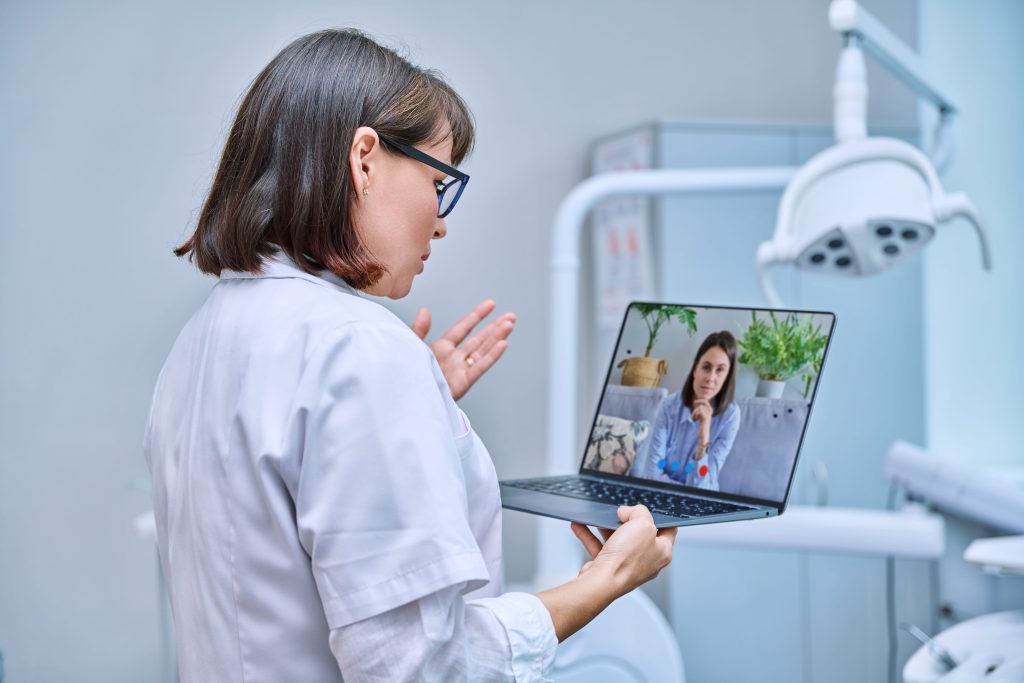
With telehealth now being a healthcare necessity, organizations face a new mandate: delivering patient experiences that are not only clinically effective but also human, seamless, and satisfying. While virtual care eliminates barriers like distance and travel, it introduces new challenges that can diminish the quality of the patient experience if not addressed proactively.
In this article, we’ll explore four core obstacles to excellent telehealth experiences and the practical strategies healthcare organizations can use to solve them.
Challenge 1: Technical Barriers and Digital Literacy
For many patients, accessing a virtual appointment still requires a frustrating mix of app downloads, password resets, and browser troubleshooting. According to industry research, over 35% of patients report difficulty logging into or navigating telehealth platforms.
This issue is amplified among older adults, low-income populations, and those with limited English proficiency. When patients struggle with the platform itself, it reduces confidence, increases no-show rates, and sours perceptions of care before it even begins.
Improving Telehealth Platform Usability with Design and Support
Healthcare systems ought to prioritize user-friendly, mobile-optimized platforms with minimal login friction. Offering technical support, whether via chat, hotline, or virtual “on-deck” staff, can reduce frustration. Consider creating quick video walkthroughs or text-based guides in multiple languages. Simplifying the tech stack ultimately removes barriers to connection.
Challenge 2: Disjointed Virtual Care Experiences
One of the more subtle yet significant challenges of telehealth is ensuring that patients feel a sense of continuity and cohesion in their care. In traditional in-person settings, continuity is supported by physical cues: seeing the same provider, walking into the same clinic, and engaging in a consistent care routine. In a virtual environment, that continuity is often fractured. Patients may see different providers on each visit, especially in larger health systems that rotate telehealth staff, or find that their medical history isn’t easily referenced or built upon across sessions. This fragmentation can reduce trust, hinder relationship-building, and impact care outcomes over time.
Furthermore, documentation and data-sharing across digital platforms aren’t always seamless. If telehealth visits are siloed from a patient’s broader medical record, key insights or follow-ups may be missed. This is particularly problematic for patients managing chronic conditions, who often need consistent monitoring, medication adjustments, and coordinated care across specialists.
Strengthen Continuity Through Unified Systems and Consistent Communication
Healthcare providers might consider investing in integrated systems that unify telehealth data with in-person records and patient portals. Just as importantly, communication strategies must reinforce a sense of continuity by assigning primary virtual care providers, recapping previous appointments, and proactively referencing past concerns. Telehealth should extend, not replace, the trusted relationships patients already have with their providers. When that continuity is preserved, patients report higher satisfaction and are more likely to stick with virtual care long-term.
Challenge 3: Limited Personalization and Human Connection
While telehealth offers unmatched convenience, it often struggles to replicate the human warmth and personalized attention of in-person visits. Patients may feel like they’re just another appointment in a queue, especially when video visits are rushed or providers rely heavily on templated scripts and digital checklists. Nonverbal cues, like eye contact and body language, are harder to interpret virtually, which can impact trust and empathy, two cornerstones of effective care. This is especially problematic for vulnerable populations, such as elderly patients, those with mental health needs, or individuals managing complex, ongoing conditions.
According to a 2024 article published in the Yale Journal of Biology and Medicine, patients who feel a strong emotional connection with their provider are more likely to follow treatment plans and return for follow-up care. But in telehealth, the loss of physical space, routine, and personal touch points can leave patients feeling disconnected from their healthcare experience.
Deliver Personalized, Empathetic Care at a Distance
Providers should be intentional about personalization. This starts with simple changes, like greeting patients by name, acknowledging prior visits or concerns, and leaving room for open-ended dialogue. Clinicians should also be trained to maintain virtual “webside manner,” including proper lighting, clear eye contact with the camera, and minimizing distractions during the call.
From a systems perspective, integrating CRM-style patient notes or communication histories can give providers more context before each session, enabling more meaningful conversations. Healthcare organizations should also consider post-visit follow-ups, such as personalized messages, patient feedback surveys, or check-in calls to extend that sense of care beyond the screen. Ultimately, making telehealth feel less transactional and more relational is what transforms it into a sustainable, patient-centered solution.
Challenge 4: Insufficient Feedback Loops
In traditional in-person settings, providers often rely on verbal cues, patient demeanor, or immediate reactions to assess how well care was received. These informal feedback loops naturally diminish in a virtual environment, where communication may be more transactional, screen-based, and prone to interruptions.
Without deliberate systems to collect and analyze patient sentiment, providers risk missing critical insights. For example, a patient who felt rushed, confused by technology, or dissatisfied with follow-up instructions might not voice those concerns unless prompted. Over time, the absence of structured feedback can result in misaligned service delivery, lower patient satisfaction, and reduced retention, especially in competitive virtual care markets.
Close the Loop with Tailored Telehealth Feedback
Structured feedback loops built into digital workflows. That means more than just sending out a generic post-visit survey. It requires tailoring questions to virtual care contexts (e.g., clarity of video/audio, ease of access, ability to express concerns), analyzing responses in real time, and following up on insights quickly.
Healthcare organizations using patient survey platforms like ClearSurvey have found that integrating feedback collection directly into the patient journey, such as sending surveys immediately after a telehealth session via SMS or portal notifications, can boost response rates and yield higher-quality insights. These insights can then feed into quality dashboards, provider coaching, and even EHR-integrated alerts for patients at risk of dissatisfaction or non-compliance.
Turning Telehealth into a Competitive Advantage
Telehealth has evolved from a temporary fix to a foundational element of modern healthcare. But its long-term success hinges not just on access and efficiency but on how well it meets patients’ emotional, logistical, and communication needs.
That’s where our patient survey software proves essential. By capturing real-time feedback, surfacing friction points, and enabling fast, actionable insights, ClearSurvey helps healthcare organizations transform telehealth from a transactional visit into a connected, empathetic care experience.
The message is clear: providers who listen, adapt, and act on patient input will not only retain more patients, they’ll deliver better outcomes. Telehealth can be both efficient and human-centered. The right feedback systems make it possible.
Ready to enhance your virtual care experience?
Learn how ClearSurvey can help you improve satisfaction and retention in every telehealth encounter. Contact our team to get started!

ClearSurvey is a best-in-class survey software focused on helping medical practices offer the best patient satisfaction in healthcare. We can help you develop a custom survey question-set based on your goals so you can gather data for useful insights. Learn more about how ClearSurvey can elevate your practice to stay ahead and schedule a demo today!

